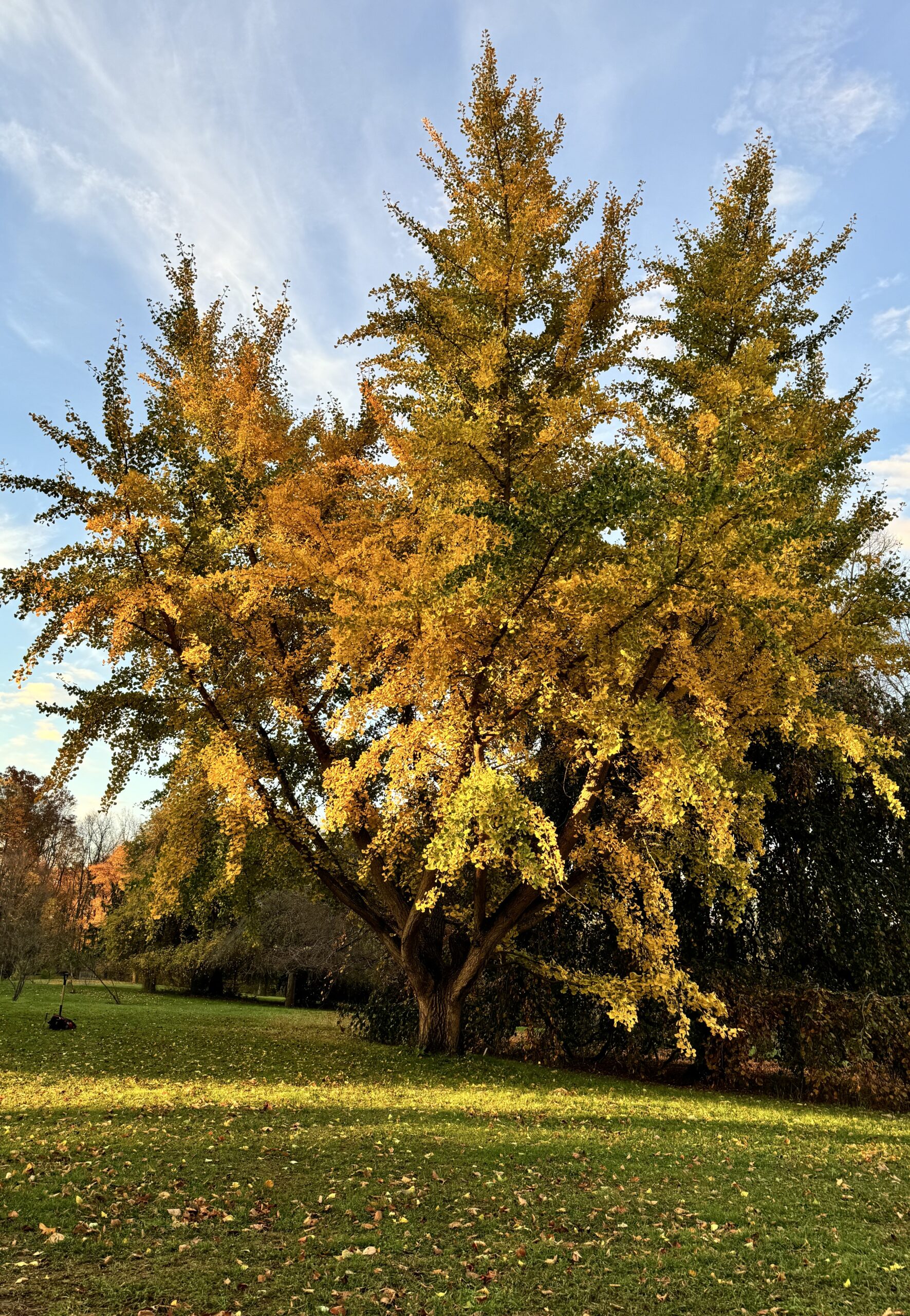
Preserving trees enriches communities, improves air quality, and adds lasting beauty to urban areas. 🌳✨
Construction is hard on trees. It’s an unfortunate reality. That’s why tree preservation has become such a hot topic in property development circles.
Trees need space, and they need healthy porous soil to support healthy root systems. This is as essential to trees as oxygen is to humans. Property development also needs space—often the same space the trees occupy. When the biological needs of trees compete with human economic and engineering priorities, the trees usually lose.
Property owners and developers often view trees as a nuisance and impediments to construction. So, they remove them to gain easier access and building placement.
But that reality is changing. In recent years it’s become increasingly clear that preserving and incorporating trees into development plans can significantly enhance property values and marketability. This shift is driven by compelling evidence of trees’ economic, environmental, and social benefits to urban properties.
Simply preserving a tree (i.e. not cutting it down) is not enough. Even when they are preserved during the construction phase, trees often sustain heavy damage that compromises the health and growth capability of the trees. This frequently leads to decline and premature removal several years later.
This is why urban governments have tree protection regulations: to ensure things are done correctly, in the best interests of the trees.
Understanding the Value of Trees
Healthy urban tree canopies have many environmental and economic benefits, and plentiful amenities to boost the quality of life for residents. Trees can markedly reduce cooling costs, buffer road noises, mitigate stormwater damages from flooding events and generally increase property appeal, all leading to higher sales and rental prices.
A recent study explored the range of benefits created by Toronto’s urban forests between 2012 and 2020. The researchers estimated that just 1% additional increase in tree cover within a postcode produced a corresponding 1% lift to property values in the same area during that period.
Other research has made bolder statements. One realtor found that tree cover corresponded with 9.5-18.5%, price uplift in canopied streets.
Mature trees create most of the beneficial canopy effect. They deserve special consideration because their benefits compound over time. and it takes decades to replace them. A UK study by Blue Green Urban consultants estimated that the breakeven point—where the accumulated benefits from the tree overtake the accumulated maintenance cost—occurs at about 30 years of tree life, depending on the species, climate and a number of other factors.
The City of Toronto has set a target of 40% canopy cover to maintain high livability standards and benefit from the full range of environmental, economic and community services that trees can provide.
To achieve this lofty goal, the city established strict protections for trees on public and private land, recognizing their role in maintaining urban ecological balance.
Planning for Success
Too often, developers address the landscape element of a construction project last. Tree protection planning is fitted in “where possible.” This approach means that the green elements receive lower priority and are easily viewed as expendable.
Many urban and suburban communities mandate tree protection. Property developers who don’t include tree protection plans in the early stages of a project may find themselves paying dearly later on. If the construction plans don’t meet the tree protection standards, the applicant will be required to rework their plans, causing delays and extra costs. Sometimes, they must abandon the project entirely.
Proactively incorporating tree preservation during the initial planning phases can avoid costly delays and ensure compliance with regulations.
For example, Toronto’s Private Tree By-law and Ravine and Natural Feature Protection By-law requirements include:
- Tree Protection Plans (TPP)- Diagrams showing the existing trees on a property at the time of a permit application in relation to the planned construction on a site plan. They include:
- Tree Inventories: Detailed assessments of tree species, size, and condition.
- Tree Protection Zones (TPZs): Establishing clear boundaries to shield trees from construction impacts. Toronto mandates TPZ distances based on tree diameter to ensure that critical roots and soil remain undisturbed.
- Replanting Plans- Replacement trees are identified on a separate drawing of the site plan. Important details include:
- Location, species and caliper diameter (given by the nursery). Toronto requires replacement trees to be at least 50 mm caliper for deciduous trees and 1.75 to 2.5 metres in height for coniferous trees.
- Replanting time: typically the next spring or fall in the year after construction, whichever is earlier.
- Arborist Report- communicates the details of the TPP and addresses any concerns or grey areas that arise resulting from the design.
Avoiding Common Pitfalls
Construction-related damage often stems from a lack of communication or awareness about tree biology:
- Not considering tree protection in the ideation phase of the planning process. This often leads to costly redesign and new drawings. Minor design changes can correct problems early in the planning process to reduce tree damage and improve the likelihood of tree survival. An arborist might suggest aligning driveways and walls; reconfiguring grading; designing bridging structures such as footings or paving over roots; and rerouting or tunnelling utility lines under roots.
- Failing to consult with neighbours when their trees will be affected. More often than not, early and open communication can make for much smoother interaction down the road and lead to fewer problems. A good Tree Protection Plan is very good at ensuring tree protection and survivability, which is often enough to put concerned minds at ease
- Physical Injuries:
- Equipment can scar trunks and break branches, causing permanent damage.
- Root Cutting: Excavations near trees risk severing critical roots, destabilizing and stressing trees.
- Soil Compaction: Heavy equipment can compress soil, reducing its ability to hold air and water essential for root health.
Toronto’s Tree Protection Policy highlights preventative measures like exploratory digs using hydro-vac systems or air spades to identify roots before excavation and the use of barriers to limit equipment movement in root zones.
Collaboration is Key
A successful tree preservation strategy hinges on collaboration. Engaging certified arborists early ensures that trees are evaluated for suitability, protection measures are tailored to the site, and all team members understand the importance of compliance. Arborists can ease communication between developers, contractors, and local authorities to ensure smooth project execution.
Final Thoughts
Tree preservation in urban development is not just about meeting legal requirements; it’s about embracing the long-term value trees provide to our environment and communities.
Ultimately, it’s about embracing our collective dream of a sustainable future.
By adhering to policies like those set by the City of Toronto and following best practices outlined in the Best Management Practices of the ISA, developers and landscape architects can create projects that harmonize growth with green infrastructure.
“The future of sustainable and inclusive cities will surely depend on how we tend to and protect our urban trees.” World Economic Forum, 2022
FAQ
What is the tree law in Ontario?
Ontario’s Forestry Act sets general rules for the entire province, while individual local governments such as Toronto, Mississauga, and Richmond Hill have additional bylaws and regulations to safeguard their tree population. These municipal bylaws are more restrictive than provincial laws, so it’s important to be familiar with local and provincial regulations when addressing tree-related matters.
What are the requirements of private tree bylaws in Toronto?
The Toronto Private Tree By-laws require a permit to remove or injure any tree on private property that is 30 centimetres or more in diameter. The permit application may require any or all of the following:
- An arborist report
- A planting plan
- A commitment to re-planting 1–3 trees
- Payment of the cash value of the tree
- Cross-section details for any hard surface elements within the TPZ
- Planting details and plant lists for any proposed soft landscaping features
Click here to apply for a permit from the City of Toronto.
Can I remove trees on my property in Toronto?
Toronto’s Private Tree Bylaw mandates that property owners secure a permit before pruning or removing trees with a trunk diameter of 30 cm or more. The application form is available here.
How do you calculate the tree protection zone?
The City of Toronto has defined Tree Protection Zones for construction permits based on the DBH of the tree.
What are the City of Toronto tree removal permit requirements?
The city often denies tree removal applications because they don’t accept the reason that is provided. For example, if the tree is not dead, diseased, hazardous, or an undesirable species, the application will likely be denied.
Look! Sometimes we don’t get along with the people who live near us. They are too loud. They litter. They do silly things that make no sense. But we usually can’t force them to leave. It is similar to trees.
These bylaws reflect a community’s desire to preserve canopy and reflects a push towards “coexistence” with our leafy neighbours. Trees provide essential services that we cannot easily quantify but notice when they are gone.
Click here for the official City of Toronto tree removal permit requirements.